Raw Diet
The Gold Standard
- Mimics a cat’s natural prey diet
- Highly digestible, reducing inflammation & gut issues
- Naturally rich in moisture to prevent kidney & urinary issues
Whether you’re transitioning to a raw diet, looking for expert feeding advice, or seeking real success stories, you’re in the right place. We’re here to help you make the best choices for your cat’s health.
A cat’s health starts with their diet. Many commercial pet foods are high in carbohydrates, artificial additives, and low-quality proteins, leading to digestive issues, kidney disease, obesity, and inflammation.
A species-appropriate diet—high in animal protein and moisture—supports:
Cats are obligate carnivores, meaning they need:
If you must feed kibble, pair it with hydration boosters like bone broth, goat’s milk, or wet food toppers.
Switching your cat’s food requires a slow transition to avoid digestive upset.
Pet parents often come to us feeling overwhelmed, frustrated, or unsure where to start. With the right nutrition and holistic support, meaningful change is possible.
Subscribe to the CK community and never miss a blog post, event, additional insights or exclusive savings!

Healthier Pets. Happier Lives.
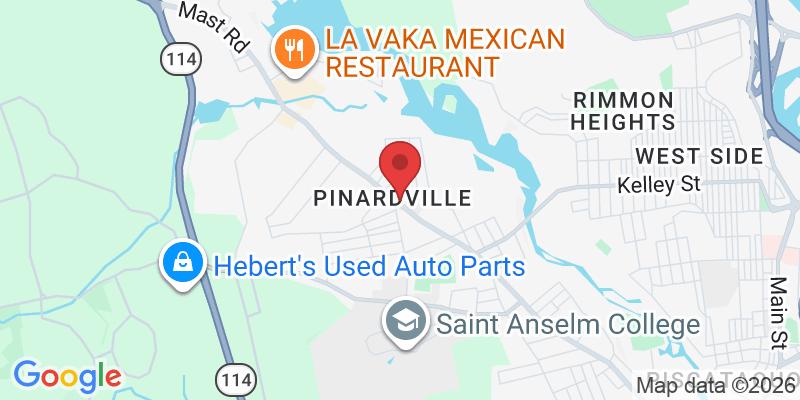
Monday – Wednesday: 9:00 AM – 6:00 PM
Thursday: 9:00 AM – 7:00 PM
Friday - 9:00 AM – 6:00 PM
Saturday - 9:00 AM – 5:00 PM
Sunday - Closed